Why Crocs Are a No-Go for New Walkers and Toddlers (And What to Wear Instead)
By Dr. Alli Chisholm, PT, DPT
Disclaimer: This post may contain affiliate links. If you purchase through my links, I may earn a small commission at no extra cost to you. I only recommend products I personally use and love with my own family and clients.
“I got a message from Alex’s* teacher saying he’s been stumbling and falling a lot. Have you noticed anything with him we should be concerned about?”
That was the text I got from a mama friend once.
My reply?
“No, I haven’t really noticed anything concerning. Sometimes kids will act a little silly or fall more if something is actually hard for them, especially if they’re trying to mask it. But I haven’t seen anything alarming. What kind of shoes does he usually wear?”
Her response?
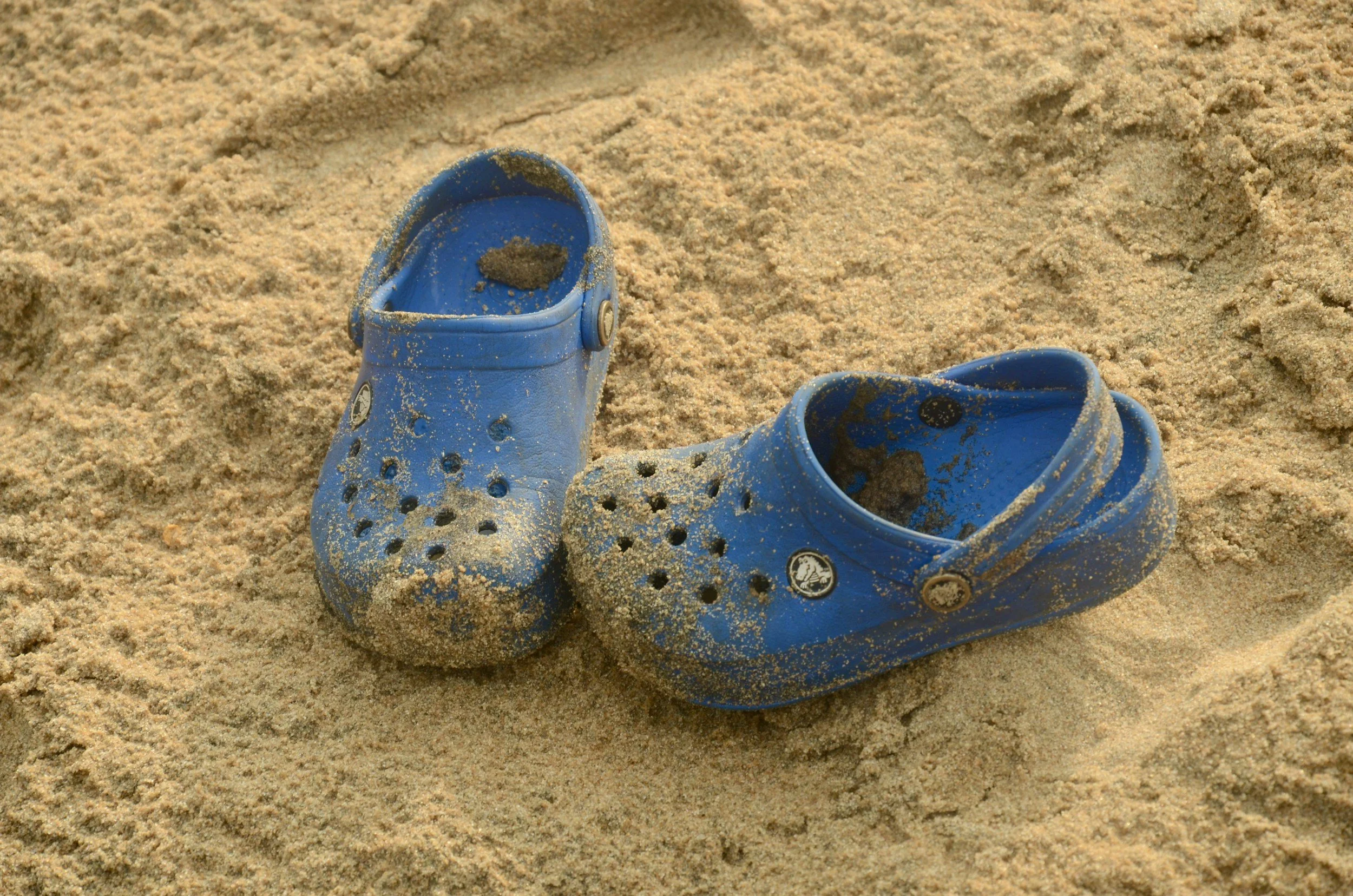
“His favorite shoes are his Crocs.”
Ah. There it is.
What I love about this video: my baby girl killing it on her balance bike.
What I don’t love: that she’s wearing Croc-like shoes 🥴
Now listen — I love a cute shoe. When a friend bought my kids Converse sneakers (a total staple from my own childhood), I couldn’t say no.
And…
Crocs are where I draw a hard line.
Especially for new walkers, but also for toddlers and young kids who are constantly on the move and still very much in their clumsy, learning-to-coordinate phase.
(And yes… truthfully, I’m not a Crocs fan at any age. But you do you!)
Because this comes up so often, I wanted to put together a list of supportive shoes for babies and toddlers that I actually love — broken down by age, walking stage, and season — plus explain why Crocs tend to cause more problems than parents realize.
*Name changed for privacy.
Maybe Your Baby Isn't At the Walking Stage Yet?
Check out the milestone-related post below that pertains to your baby:
Why Crocs Aren’t Ideal for Babies and Toddlers
From a pediatric physical therapy perspective, Crocs simply don’t provide what developing feet need.
They:
Lack a supportive heel
Allow excessive foot movement
Encourage gripping with the toes to keep the shoe on
Increase the risk of trips and falls
For kids learning to walk, run, climb, and navigate uneven surfaces, this matters — a lot.
And if your child is in that new or unsteady walking phase, footwear is just one piece of the puzzle. I go much deeper into what actually supports walking confidence and coordination in my Walking Guide for Babies and Toddlers, a supportive tool to help your guide your little one to those those first independent steps!
The 5 Things I Look for in Shoes for New Walkers & Toddlers
When choosing toddler shoes for walking, these are my non-negotiables:
Rigid, supportive heel cup
You don’t want your child’s heel slipping out while walking or running.Light arch support
(Which means limited use of a fun Converse shoe, as mentioned above. Sorry, friends.)Flexible sole
The shoe should bend at the ball of the foot, not be stiff like a board.Velcro or adjustable straps
This allows for a secure, customized fit and prevents sliding inside the shoe.Appropriate toe box width
Toes should not be squished when standing or walking.
These features help support balance, coordination, and confidence — especially during early walking stages.
Supportive Shoe Recommendations by Stage & Season
Demonstration of parameters to look for in new walker and toddler shoes (forgot to mention a rigid heel cup in this video, oops!)
For the New Walker
For the Active Toddler
For the Unsteady Walker (Little Feet)
For the Unsteady Walker (Toddler Feet)
For Winter Weather
BMCiTYBM Toddler Baby Winter Snow Boots (with velcro straps)
For Rainy Days
For the Beach & Warm Weather
The Bottom Line
I consistently love Carter’s, See Kai Run, and Stride Rite because they check the boxes that matter for developing feet.
That said, if you keep the five criteria above in mind, you’ll be able to spot a supportive shoe — even outside these brands.
So… why are Crocs a no-go?
Because they simply don’t meet the developmental needs of babies and toddlers who are learning how to move, balance, and explore their environment safely. When kids are navigating obstacles, uneven ground, and running, poor footwear can absolutely increase trips, falls, and unnecessary bumps and bruises.
Do “fancy” baby and toddler shoes belong on this list?
What supportive shoes have you loved for your little one?
Drop your questions below — I’m always happy to help.
Want More Support for Your Child’s Development?
If your child is just starting to walk or still feels a bit unsteady on their feet, it’s easy to focus on shoes as the main solution. While footwear does matter, it’s only one small part of what helps kids feel steady, confident, and capable as they learn to move through the world. Inside my Walking Guide for Babies and Toddlers, I break down how to support early walking in a way that builds strength, balance, and confidence — without rushing the process.
And if you’re feeling overwhelmed by what your baby or toddler should be doing at each stage, you’re not alone. My Ultimate Milestone, Play & Toy Guide for 0–3 Year Olds was created to take the guesswork out of development, with realistic, parent-friendly guidance that supports progress without adding pressure.